

Views: 0 Author: Site Editor Publish Time: 2026-09-08 Origin: Site


Global demand for cables is surging at an unprecedented rate. Aggressive expansions in telecommunications, renewable energy grids, and modern infrastructure projects are pushing factories to their absolute limits. Consequently, purchasing extrusion machinery represents a massive capital leap for any manufacturer. I have spent years optimizing plant floors, and I can assure you that a baseline quote is just the tip of the iceberg. Hidden expenses will easily destroy your expected return on investment if left unchecked.
Looking at the current market trajectory, the wire and cable industry is undergoing a massive technological shift. Driven by strict sustainability mandates and volatile global energy prices, manufacturers are rapidly pivoting away from budget-tier setups. The trend is crystal clear. Smart manufacturing, real-time data monitoring, and energy-efficient extrusion are no longer optional upgrades. Modern facilities demand closed-loop control systems to stay competitive and compliant. Let us break down the true financial commitments involved in cable manufacturing, moving from the initial sticker price to the long-term operational realities that dictate your factory's survival.
Machine size, automation capabilities, and the origin of core components heavily dictate the initial purchase price of manufacturing equipment.
Upgrading to specialized high-capacity equipment demands a higher upfront investment but drastically reduces your long-term cost-per-meter.
Energy consumption and raw material waste often exceed the initial machine cost within the first three to five years of daily production.
Deploying dedicated sheathing machinery improves product compliance and directly slashes costly scrap rates.
Total Cost of Ownership and Return on Investment must be your primary metrics when evaluating a new production line.
When procurement managers begin soliciting quotes, the pricing variance can be staggering. Base prices range from tens of thousands of dollars for bare-bones setups to millions for highly automated systems. Understanding what drives these initial capital expenditures is the critical first step in making a sound engineering and financial decision.
Walk the floor of any high-output cable plant, and you will see that the sheer scale of the machinery dictates the pace of production. The core metric establishing the price of an extrusion line is its capacity. This is fundamentally tied to the physical size of the machine. The screw diameter directly determines the volume of polymer that can be melted and extruded per hour.
Larger screw diameters require robust barrels, massive heating elements, and significantly more powerful drive motors. For instance, investing in a 120 high-efficiency extruder group represents a premium capital expenditure. A 120mm setup can push out hundreds of kilograms of polymer per hour. This robust equipment is engineered specifically for high-capacity output. It becomes indispensable when manufacturing heavy power cables or processing massive volumes of jacketing materials efficiently. The larger the machine, the higher the initial financial commitment, but your processing time per kilometer of finished cable drops significantly.
The origin and quality of mechanical and electrical components play a pivotal role in the sticker price. Extrusion lines built with standard, unbranded components naturally cost less upfront. However, they carry a substantially higher risk of catastrophic mechanical failure. Premium lines utilize high-grade components that ensure exact precision under continuous thermal and mechanical stress.
Component Category | Standard Build | Premium Build | Operational Impact |
|---|---|---|---|
Drive Motors | Standard AC motors | AC Vector motors from top-tier brands | Better energy efficiency, precise RPM control. |
Gearboxes | Standard helical gears | Hardened, ground gear teeth with thrust bearings | Reduced noise, zero vibration, longer lifespan. |
Extruder Screws | Nitrided steel | Bimetallic alloy coated | High resistance to abrasive materials like halogen-free compounds. |
Crossheads | Manual centering | Self-centering, precision-machined | Reduces material waste through uniform wall thickness. |
Modern cable manufacturing relies entirely on data and precision. Instead of operators manually tweaking dials while staring at a hot barrel, advanced systems utilize sophisticated touch interfaces and Programmable Logic Controllers from industry leaders.
These advanced control systems increase the upfront cost, yet they offer precise closed-loop control over wire diameter, line speed, and insulation thickness. This automation minimizes human error and ensures strict adherence to international cable standards. Real-time data logging is a critical feature for quality assurance in demanding industrial applications.
Not all cables are created equal. The physical parameters and environmental requirements of your end product directly dictate the complexity of the machinery required to manufacture it.
Standard single-layer building wires can be produced on relatively straightforward, single-extruder lines. Because the insulation requirements are basic, the machinery is less complex and highly affordable.
In contrast, high-voltage power cables require vastly different technology. These cables often necessitate multi-layer co-extrusion processes to apply inner semiconductive, insulation, and outer semiconductive layers simultaneously. The machinery required for high-voltage applications must handle complex cross-linked polyethylene materials under immense pressure and heat. This makes the setup exponentially more expensive than standard building wire lines.
The outer jacket of a cable is its first line of defense against environmental degradation, mechanical stress, and fire hazards. Producing durable outer jackets requires highly specific equipment configurations.
An investment in a high-efficiency cable sheathing line is driven by the need to process specialized polymers like Low Smoke Zero Halogen, Polyethylene, or specialized Polyvinyl Chloride. These materials require distinct screw designs with specific Length-to-Diameter ratios to ensure proper melting without degradation. A dedicated sheathing setup carries a specific capital cost, but it is a mandatory investment for producing weather-resistant and flame-retardant cables that meet stringent infrastructure standards.
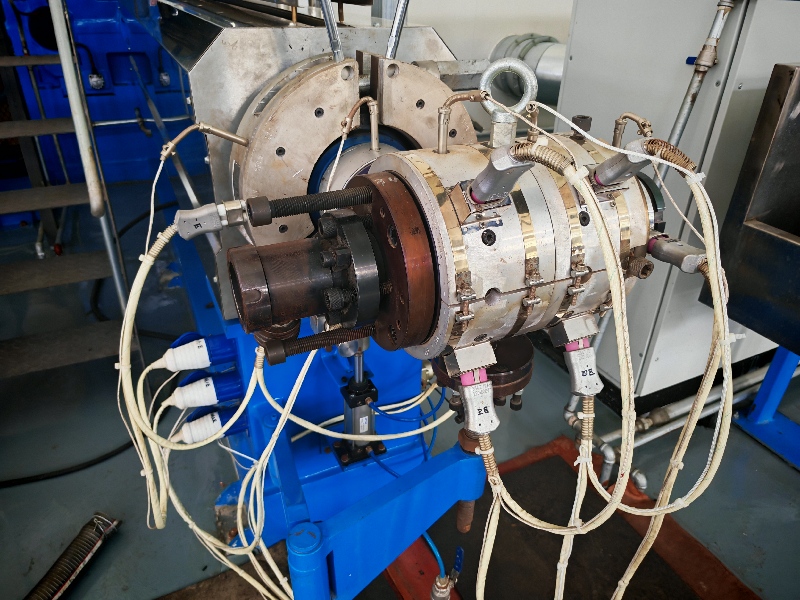
Focusing solely on Capital Expenditure is a dangerous procurement error. Operational Expenditure will inevitably surpass the initial purchase price over the equipment lifecycle. I have seen factories bleed money simply because they underestimated daily running costs.
Extrusion is an inherently energy-intensive process. The machinery consumes massive amounts of electricity primarily through the barrel heating zones and the main drive motors.
Budget-tier machines often suffer from poor thermal insulation and inefficient motor drives, leading to significant power waste. High-efficiency lines combat this by incorporating AC vector drives that optimize power draw based on load. They pair this with heavily insulated barrel heaters that prevent thermal loss. Over a ten-year operational period, the electricity savings generated by energy-efficient drives can effectively subsidize the premium paid for the machine.
The polymers and conductive metals used in cable manufacturing are expensive commodities. Material waste remains one of the most severe threats to a factory profit margin.
Inexpensive extrusion equipment frequently struggles with diameter stability. If a machine cannot maintain precise tension or consistent extruder pressure, the resulting cable will likely have an oversized insulation wall. An excess of just 0.1 millimeters in insulation thickness across hundreds of kilometers of cable translates to thousands of dollars in wasted polymer. High-quality machinery, such as a modern industrial wire and cable extrusion line, mitigates this with closed-loop laser diameter gauges. These sensors automatically adjust line speed to maintain exact specifications, virtually eliminating overweight cables.
In a diversified manufacturing plant, machines rarely run a single product indefinitely. Operators must frequently change tooling, swap out polymer colors, or clean the crosshead for different cable runs.
The financial impact of downtime is substantial. If a machine requires three hours to clean and recalibrate during a color changeover, the factory loses three hours of sellable production. Advanced extrusion lines feature quick-change crossheads and self-purging screw designs that reduce changeover times to mere minutes. This maximizes overall equipment effectiveness.
Industrial equipment is subjected to continuous, punishing mechanical stress. How a machine handles wear and tear over a two-decade lifespan drastically impacts your total cost of ownership.
The friction generated during the melting process causes inevitable wear on the extruder screw and the inner lining of the barrel. This wear accelerates rapidly when processing highly abrasive materials, such as heavily filled flame-retardant additives.
Standard nitrided screws degrade quickly under these harsh conditions. This leads to a drop in extrusion pressure, reduced output, and poor mixing quality. Replacing a screw and barrel is a major maintenance expense. Investing upfront in bimetallic screws coated with highly wear-resistant alloys delays this degradation significantly. It ensures consistent output and reduces the frequency of costly overhauls.
The hidden cost of purchasing machinery from unverified suppliers is usually realized during a sudden breakdown. If a critical component fails and the manufacturer cannot provide immediate spare parts, your entire production line halts.
Extended downtime waiting for international part shipments can cost a factory tens of thousands of dollars in delayed orders. Procuring equipment from established manufacturers who guarantee local spare part availability and offer remote troubleshooting is a critical risk mitigation strategy. It protects your long-term profitability.
For procurement managers operating under strict budgets, deciding between brand-new equipment and used machinery is a critical crossroads. Making an informed decision requires looking past the immediate price tag. You must evaluate mechanical integrity, technological relevance, and the hidden risks associated with pre-owned assets.
The secondary market for manufacturing equipment is robust. The primary appeal is undeniable due to immediate availability and a significantly lower upfront cost. Used machines can often be acquired for half the price of their brand-new counterparts.
However, the empirical drawbacks of used equipment often neutralize these initial financial gains. Older extrusion lines frequently operate on outdated relay logic, making integration into modern factory environments nearly impossible. Used equipment rarely comes with a comprehensive warranty, leaving the buyer entirely responsible for unexpected breakdowns.
For manufacturers who cannot justify the cost of a completely new system but recognize the flaws of buying used, retrofitting offers a pragmatic middle ground. The heavy steel chassis and water cooling troughs of an extrusion line have a lifespan that far exceeds the electronic components.
By replacing an old DC motor with a high-efficiency AC vector drive, installing a new bimetallic screw, and upgrading the control panel, factories can achieve near-modern efficiency at a fraction of the cost.
Procurement Strategy | Initial Expenditure | Energy Efficiency | Maintenance Risk | Expected Lifespan | Technology Level |
|---|---|---|---|---|---|
Brand New Line | Highest | Excellent | Very Low | 15 to 25 Years | State-of-the-Art |
Used Equipment | Lowest | Poor to Average | High | 5 to 10 Years | Outdated |
Retrofitted Line | Moderate | Good to Excellent | Moderate | 10 to 15 Years | Modernized Controls |
To secure stakeholder approval for a major equipment purchase, engineering teams must present a financial justification that goes far beyond the initial vendor quote. A machine that appears cheap on paper quickly becomes a financial liability if it consumes excessive electricity or produces high volumes of scrap material.
Calculating return on investment requires a comprehensive look at both the revenue generated by the machine and the expenses required to keep it running. The foundational formula is straightforward. You divide the annual value of increased output plus annual savings from reduced waste by the total cost of ownership.
To accurately determine the ownership costs, buyers must calculate the initial purchase price, freight, installation costs, projected energy consumption, routine maintenance, and the cost of raw material waste. By investing in a precision-engineered SJN-120 Extruding Line for Wire Cable equipped with automated dimensional controllers, factories maintain insulation thickness at the exact minimum tolerance. Saving just two percent on polymer consumption annually often pays for the entire machine within the first three years.
There is a common misconception on the factory floor that maximum line speed equates to maximum profitability. While high output is highly desirable, speed must be carefully balanced with cooling capacity and strict quality control parameters.
Pushing an extruder to run at maximum velocity is financially counterproductive if the facility lacks the necessary cooling trough length to stabilize the plastic. If the insulation cools too rapidly or unevenly, it leads to severe structural defects like internal voids or surface cracking. A sustainable return is achieved by identifying the optimal cruising speed where the machine delivers consistent, defect-free products with minimal mechanical strain.
The engineering reputation of the equipment manufacturer plays a pivotal role in the long-term success of your investment. Navigating the global landscape of machinery suppliers requires rigorous vendor vetting. You must ensure the final product aligns perfectly with your production goals.
One of the most effective ways to mitigate the risk of a new capital purchase is to insist on a comprehensive Factory Acceptance Test before the equipment leaves the supplier facility. During this test, the manufacturer runs the extrusion line using your specific raw materials to validate output speeds and dimensional tolerances.
Professional on-site commissioning guarantees are essential. A machine improperly leveled or wired during installation will suffer from premature bearing failure. Partnering with a manufacturer that provides expert technicians for on-site setup ensures the equipment begins generating positive revenue from day one.
Procurement teams must decide whether a standardized machine will suffice, or if a custom-engineered solution is necessary. Standardized models benefit from economies of scale, making them more affordable and ensuring spare parts are readily available.
However, as cable applications become more specialized, customization becomes unavoidable. Processing advanced materials requires specific screw geometries and tailored heating zones to prevent material degradation. The key is to pay for customization only when the specific application demands it. This strategy protects your overall capital budget while securing the exact technology you need.
Buying wire and cable extrusion lines requires meticulous planning and a deep understanding of manufacturing economics. You must constantly balance upfront capital expenditure with long-term operational efficiency. High-efficiency equipment ultimately protects your profit margins from rising energy and material costs by reducing polymer waste and lowering daily power consumption. Always calculate the total cost of ownership before signing a purchase order. Ready to upgrade your production floor with reliable, high-performance machinery? Visit https://www.anhuisj.com to explore our full range of advanced extrusion solutions, request a comprehensive plant audit, and secure a data-driven investment for your manufacturing future.
Prices vary wildly from tens of thousands of dollars for basic single extruders to well over two million dollars for fully automated, high-voltage continuous vulcanization lines. The final cost heavily depends on your specific output needs, the complexity of the cable construction, and the level of automation required by your facility.
It features a large 120mm screw diameter, making it ideal for high-output industrial applications. Manufacturers primarily use it for heavy power cables, thick outer sheathing, and processing large volumes of standard polymers like PVC or PE quickly and efficiently without sacrificing material integrity.
With proper routine maintenance and timely replacement of high-friction wear parts, high-quality industrial extrusion lines can operate efficiently for fifteen to twenty-five years mechanically. The electronic components and control systems typically require upgrading every seven to ten years to remain compatible with modern industrial software.
You can significantly lower energy consumption by investing in high-efficiency AC vector drives, utilizing heavily insulated heating zones on the barrel, and selecting optimized screw designs engineered to melt specific plastics at lower, more stable temperatures.
The ideal ratio depends entirely on the polymer being processed. Standard PVC and PE generally run well on a 25:1 ratio. However, specialized materials like Low Smoke Zero Halogen or cross-linked compounds often require a 28:1 or 30:1 ratio to ensure a homogeneous melt without premature burning.
Once the machinery arrives at your facility, mechanical installation, electrical wiring, and plumbing for the cooling troughs typically take two to four weeks. This is followed by several days of test runs and calibration by the manufacturer's engineering team to ensure the line hits the guaranteed production speeds.
High scrap rates are usually caused by outdated controls, poor tension in the haul-off caterpillar, or fluctuating extruder barrel temperatures. Upgrading your line with a modern closed-loop laser diameter gauge actively corrects these inconsistencies in real-time and drastically reduces material waste.