

Views: 0 Author: Site Editor Publish Time: 2026-08-05 Origin: Site


Cable manufacturers in 2026 face tightening production tolerances and intense capacity expansion pressures. Electrification initiatives and high-bandwidth data demands drive a rapidly growing global market. Material complexities add significant hurdles to daily operations. Processing advanced polymers requires precise thermal and mechanical control to maintain structural integrity at high velocities.
Sub-optimal extrusion directly impacts the bottom line. Material waste from over-insulating eats into profit margins. Line speed bottlenecks restrict total output and delay order fulfillment. Unplanned downtime caused by wire breaks, poor concentricity, or upstream synchronization failures stalls entire factory floors. You need machinery that operates reliably under continuous stress.
This guide provides an evidence-based framework for evaluating and shortlisting extrusion machinery. You will learn how to match equipment to application-specific requirements, assess long-term operational costs, and navigate implementation realities on the factory floor.
Specify that extruder selection must be dictated by polymer type (e.g., PVC vs. XLPE vs. LSZH vs. advanced fluoropolymers) to determine the correct screw design and L/D (Length/Diameter) ratio.
Highlight that achieving high Overall Equipment Effectiveness (OEE) requires integrating the extruder with modern CMMS (Computerized Maintenance Management Systems) to predict tooling wear, manage upstream drawing machines, and prevent wire breaks.
Emphasize the trade-off between line speed and dimensional stability; high-speed production requires advanced closed-loop control systems for continuous centering and thermal management.
Note that vendor evaluation must extend beyond CapEx to include commissioning timelines, operator training requirements, and domestic spare parts availability.
Establishing clear success criteria prevents costly procurement mistakes. You must audit current production bottlenecks before reviewing equipment specifications. Frequent changeovers, high scrap rates, and line speed limitations dictate the baseline requirements for your new setup. A thorough audit requires analyzing historical production data to identify exactly where your current lines fail to meet demand.
Calculate your average material giveaway per shift by comparing actual consumed polymer weight against the theoretical minimum weight required by industry standards.
Document the exact duration of your average tooling and color changeovers, noting the volume of scrap generated during the purging process.
Identify the specific line speed at which dimensional stability degrades, marking the threshold where concentricity drops below acceptable quality control limits.
Map out the frequency and root causes of wire breaks, categorizing them by upstream tension faults, extruder surging, or downstream capstan synchronization errors.
Analyze the operational tension between increasing output and maintaining strict dimensional tolerances. Pushing higher kilograms per hour often compromises wall thickness and concentricity. Faster line speeds demand tighter thermal management and instantaneous mechanical adjustments. You cannot sacrifice dimensional stability for raw throughput without risking product failure during high-voltage spark testing or physical stress tests.
Decide between investing in a dedicated line or a flexible manufacturing setup. A dedicated line maximizes efficiency for a single high-volume product, utilizing fixed-center crossheads and specialized screws optimized for one specific polymer. A flexible line handles a wide range of compound types but requires rapid changeover features. Quick-change die systems, bypass valves, and adjustable-center crossheads minimize downtime when switching between different cable profiles or materials.
Evaluate how the new equipment integrates with existing upstream and downstream machinery. Synchronizing with wire drawing machines, stranders, and pre-heaters prevents immediate line bottlenecks. High-volume copper wire production requires seamless tension control from the pay-off through the cooling trough to the capstan. If the extruder surges or the capstan pulls too hard, the copper conductor will stretch, altering its electrical resistance and rendering the cable useless.
Selecting the right configuration depends entirely on your end product. The mechanical design of the machinery varies drastically based on whether it processes micro-coaxial cables, automotive wiring harnesses, or heavy-duty industrial power lines.
High-speed lines routinely exceed 1,000 meters per minute. Manufacturers use these systems primarily for telecom, automotive, and data cables. Operating at these velocities requires specialized drive systems and multi-zone barrel cooling. Automated dual-take-up systems sustain continuous operation, allowing spool changes on the fly without stopping the line or causing wire tension faults.
Handling delicate copper conductors at high velocities presents significant mechanical challenges. A High-Speed Wire and Cable Extruder must maintain exact tension. Excessive pulling force stretches the copper, reducing its diameter and increasing its electrical resistance beyond acceptable limits. Precision dancer accumulators and closed-loop feedback systems prevent deformation. These systems communicate directly with the pay-off and capstan drives, making micro-adjustments to line speed every millisecond to ensure the dielectric properties of the insulation remain intact.
Thermal management becomes exponentially more difficult at high speeds. The shear heat generated by the screw turning at high RPMs can easily degrade sensitive polymers. Multi-zone water cooling jackets on the barrel extract excess heat rapidly, preventing premature cross-linking or scorching of the insulation material before it reaches the die.
Manufacturing standard residential and commercial wiring, such as THHN, THWN, and NYM, requires massive high-volume throughput. These lines must handle both solid and stranded copper and aluminum conductors robustly. Integration of tandem extrusion lines allows for simultaneous primary insulation and outer nylon jacketing. In a tandem setup, the wire passes through the primary extruder to receive its PVC insulation, travels through a short cooling zone, and immediately enters a second extruder for the nylon jacket, cutting production time in half.
A dedicated Wire and Cable Extruder for Building Wire utilizes heavy-duty tooling. Maintaining consistent insulation thickness over larger, less flexible conductor profiles demands rigid crosshead designs. The machinery must withstand the continuous mechanical stress of processing thick, rigid metals without losing concentricity. The pay-off stands must handle massive reels of bare copper, requiring heavy-duty pintles and robust braking systems to prevent reel over-run during emergency stops.
Primary wire insulation and outer jacketing serve different functions and require different mechanical setups. Primary insulation focuses on precise conductor adherence, pre-heating integration, and maintaining strict dielectric properties. The polymer must bond correctly to the bare metal to prevent moisture ingress and electrical shorts. Conductor pre-heaters raise the temperature of the bare wire just before it enters the crosshead, ensuring the molten polymer flows evenly around the metal without shocking and cooling too rapidly.
Outer jacketing focuses on mechanical protection, weather resistance, and handling larger overall diameters. A Wire and Cable Extruder for Wire Insulation often utilizes pressure tooling, where the polymer is forced onto the conductor under high pressure inside the die. Jacketing lines frequently use tube-on tooling with vacuum assistance. The polymer is extruded as a tube larger than the inner cable core, and a vacuum pulls the jacket tightly over the core as it exits the die, preventing damage to the inner layers.
Tooling Type | Application Focus | Melt Flow Characteristic | Typical End Product |
|---|---|---|---|
Pressure Tooling | Primary Insulation | High pressure, direct contact with conductor | Automotive wire, building wire, appliance wiring |
Tubing Tooling | Outer Jacketing | Low pressure, drawn down onto the core | Multi-core power cables, fiber optic jackets |
Semi-Tubing Tooling | Thin-wall Jacketing | Moderate pressure, slight draw down | Data cables, coaxial cables |
Co-Extrusion Tooling | Multi-layer Insulation | Simultaneous flow of multiple polymers | Skin-foam-skin data cables, striped wires |
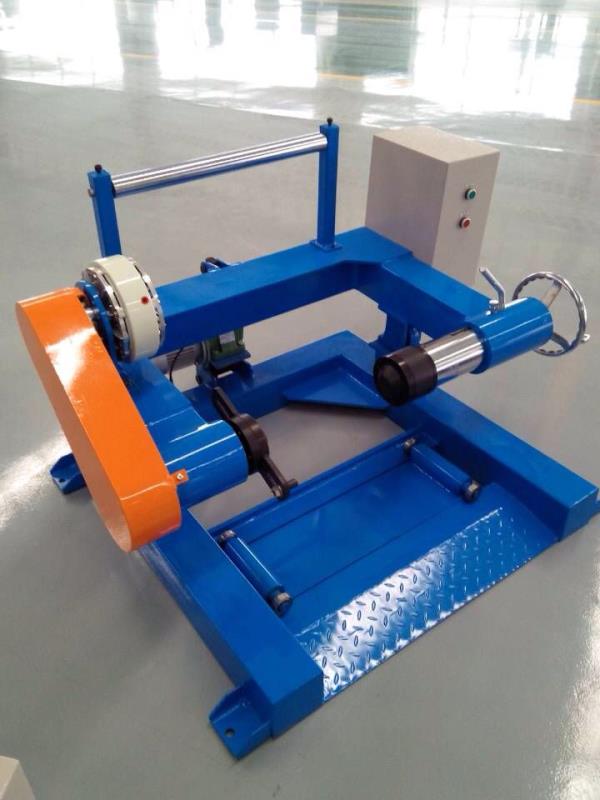
Evaluating technical specifications requires looking past marketing claims. Focus on the core mechanical components that dictate daily operational stability, melt quality, and material yield. A standard wire and cable extruder must be built with precision-machined components to withstand decades of continuous operation.
Screw geometry determines how effectively the machine melts and mixes the polymer. You must evaluate compression ratios, barrier flights, and mixing sections based on your target materials. Processing standard PVC requires different shear forces than processing cross-linked polyethylene (XLPE). A standard metering screw works for basic plastics, but advanced barrier screws separate the solid polymer bed from the melt pool, drastically increasing melting efficiency and preventing un-melted particles from reaching the crosshead.
The Length to Diameter (L/D) ratio directly impacts melt homogeneity and output stability. A 24:1 ratio works well for basic polymers, but a 30:1 ratio provides the extended residence time necessary for complex compounds. Barrel metallurgy also matters. Wear-resistant linings, such as bimetallic barrels cast with tungsten carbide alloys, are mandatory for processing highly filled or abrasive compounds like Low Smoke Zero Halogen (LSZH). Standard nitrided barrels will wear out within months when running abrasive flame-retardant fillers.
Polymer Type | Recommended L/D Ratio | Screw Geometry Focus | Cooling Requirement |
|---|---|---|---|
PVC (Polyvinyl Chloride) | 24:1 to 26:1 | Low shear, standard compression | Standard air cooling |
XLPE (Cross-linked Polyethylene) | 24:1 to 28:1 | Low compression, barrier flights | Precise water cooling |
LSZH (Low Smoke Zero Halogen) | 20:1 to 24:1 | Very low shear, optimized mixing | High-capacity air/water mix |
Fluoropolymers (FEP, PTFE) | 25:1 to 30:1 | Corrosion-resistant, high compression | Advanced multi-zone control |
The crosshead plays a critical role in ensuring concentricity and minimizing material giveaway. Poor concentricity forces operators to over-insulate the wire to meet minimum wall thickness standards on the thinnest side, wasting expensive polymer on the thickest side. Evaluate manual versus automated centering mechanisms. Fixed-center crossheads eliminate operator error and maintain precise fluid dynamics for optimal melt flow distribution, but they require highly consistent polymer batches.
Adjustable-center crossheads allow operators to dial in the concentricity using micro-adjustment bolts. This is necessary when running highly variable recycled compounds or when the tooling begins to wear. Tooling changeover efficiency directly affects uptime. Evaluate quick-change die systems and bypass valves. Bypass valves allow the operator to divert the melt flow to the floor during a color change or material purge, preventing the old material from contaminating the crosshead and drastically reducing changeover times.
Modern AC vector drives and permanent magnet synchronous motors (PMSM) deliver superior energy efficiency and torque compared to legacy DC drives. They provide the instantaneous power adjustments required to maintain consistent screw speeds under varying load conditions. A robust gearbox with heavy-duty thrust bearings is required to absorb the massive backpressure generated by the screw pushing molten polymer through a restrictive die.
Thermal management prevents polymer degradation. Multi-zone PID temperature controllers maintain exact heat profiles across the barrel. Evaluate the effectiveness of air versus water barrel cooling systems. Water cooling provides rapid heat extraction for shear-sensitive materials, while air cooling offers simpler maintenance for standard runs. The cooling trough downstream of the extruder is equally important. Multi-zone cooling troughs use warm water in the first section to slowly cool thick-walled insulation, preventing vacuum voids from forming inside the plastic, followed by chilled water to lock in the final dimensions.
Procurement decisions must account for the entire lifecycle of the equipment. Focusing solely on the initial purchase price ignores the massive daily operational costs associated with running an extrusion line. Efficiency gains in material usage and energy consumption dictate long-term profitability.
Break down the hidden operational costs of extrusion lines. Energy consumption, raw material yield, and routine maintenance consumables drive your daily operating expenses. Scrap reduction is the fastest way to recoup capital expenditure. A machine that holds tighter tolerances reduces material giveaway. If you run a line producing 10,000 kilograms of cable a day and your old extruder forces you to run 2% overweight to maintain minimum wall thickness, you waste 200 kilograms of polymer daily. Upgrading to a precision machine eliminates this waste.
Develop a realistic ROI calculation framework based on material savings. Advanced closed-loop control systems cost more upfront but drastically reduce the scrap generated during line startups and speed changes. Laser micrometers continuously measure the outer diameter of the cable and send feedback to the extruder drive, automatically adjusting screw RPM to maintain the exact target diameter. Calculate the exact volume of your current material giveaway to justify the equipment upgrade.
Industry 4.0 connectivity is a baseline requirement for 2026 models. Integrating the machine's PLC with plant-wide CMMS software enables predictive maintenance. You can track tooling wear, monitor motor vibration, and schedule part replacements before a catastrophic failure occurs. Vibration sensors mounted on the gearbox alert maintenance teams to bearing wear months before a breakdown stops production.
Real-time OEE visibility allows floor managers to identify and eliminate micro-stops. Managing the entire line—from upstream stranders and drawing machines to the extruder and downstream capstans—within a unified digital dashboard prevents wire break frequency. Unified controls utilizing OPC UA protocols ensure all drives ramp up and slow down in perfect synchronization. If the pay-off snags, the entire line decelerates instantly to prevent snapping the conductor.
Installing new heavy machinery disrupts existing workflows. Planning for implementation realities mitigates downtime and accelerates the transition from commissioning to full-scale production. You must prepare your facility and your workforce long before the equipment arrives on the shipping dock.
Outline a realistic timeline for Site Acceptance Testing (SAT), Factory Acceptance Testing (FAT), and physical installation. Do not underestimate the time required to pour new concrete foundations or upgrade utility hookups. High-output extruders require massive electrical panels, dedicated chilled water lines, and high-capacity compressed air drops. The foundation must be leveled perfectly and often requires epoxy grout and vibration isolation pads to ensure the barrel aligns flawlessly with the downstream cooling trough.
Common delays in commissioning stem from downstream equipment synchronization. Getting a new, high-speed machine to communicate with a ten-year-old take-up stand requires custom programming and interface modules. Factor these integration hours into your initial downtime estimates. You will need automation engineers on-site to tune the PID loops and calibrate the dancer tension feedback signals.
Address the widening skills gap in manufacturing. Evaluate how intuitive the vendor's Human-Machine Interface (HMI) is for newer, less experienced operators. Complex, text-heavy screens lead to input errors and line crashes. Look for graphical interfaces that clearly display line tension, temperatures, and fault locations. Recipe management systems allow operators to load pre-configured temperature profiles and line speeds for specific products, eliminating guesswork.
Integrating modern equipment into an existing legacy line presents technical challenges. Syncing with older pay-offs, capstans, and cooling troughs often requires retrofitting sensors and drives. Factor in the learning curve associated with handling new tooling configurations. Executing multi-material changeovers safely requires hands-on training and updated standard operating procedures. Operators must learn how to properly torque the crosshead bolts while the equipment is hot to prevent polymer leaks.
Audit the vendor's domestic spare parts inventory. Relying on overseas shipments for critical wear items causes unacceptable delays. Verify local stock levels for high-wear items, specifically screws, crosshead tips, dies, heater bands, and solid-state relays. Smart manufacturers keep a spare screw and barrel on the shelf to prevent month-long outages if a metal contaminant enters the hopper and destroys the flights.
Evaluate the vendor's Service Level Agreement (SLA) for remote diagnostics and on-site field service. When a line goes down, remote troubleshooting via a secure VPN connection can identify the fault within minutes. If physical repairs are necessary, guaranteed on-site response times minimize costly line stoppages and protect your production schedule.
The optimal extrusion machinery is not necessarily the fastest model on the market. It is the system that offers the highest verifiable OEE for your specific polymer, conductor type, and product mix. Prioritize dimensional stability, material yield, and seamless integration over raw, uncontrolled speed.
Follow a strict shortlisting logic. Define your material and throughput needs first. Evaluate screw and crosshead technology based on those needs. Assess upstream integration capabilities. Finally, scrutinize operational economics and vendor support infrastructure before making a decision.
Compile your exact product specifications, including conductor sizes, insulation materials, and target line speeds, into a formal requirements document.
Demand documented material yield guarantees and concentricity tolerances during vendor line trials.
Audit your facility's utility capacities to ensure you can support the cooling and electrical demands of modern, high-output machinery.
Require the vendor to provide a detailed integration plan for connecting the new equipment to your existing upstream and downstream components.
A: The standard lifespan ranges from three to seven years. Actual longevity depends heavily on the abrasiveness of the polymer processed, total operating hours, and base metallurgy. Running highly filled compounds like LSZH accelerates wear. Using bimetallic or tungsten-carbide coated screws extends operational life significantly before rebuilding is required.
A: It prevents breaks using advanced closed-loop tension control. Precision dancer accumulators measure wire tension in real-time. This feedback instantly adjusts the speeds of synchronized pay-off and take-up drives, ensuring the delicate copper conductor never experiences excessive pulling force during rapid acceleration or deceleration.
A: Yes, but it requires specific modifications. While possible with a screw change and adequate thermal management, dedicated screws and specific L/D ratios are strongly recommended. XLPE requires precise water cooling and low-compression barrier flights to prevent premature cross-linking and material degradation inside the barrel.
A: Building wire lines are built for high-volume, heavy-copper handling. They use robust, rigid tooling to process thick, inflexible conductors. Fiber optic lines operate under extreme low-tension requirements to prevent micro-bending of delicate glass fibers, utilizing highly precise, micro-tolerance crossheads and specialized low-shear screws.
A: Ensure integration by mandating unified PLC communication protocols. The new equipment must support synchronized drive controls and accept dancer or accumulator tension feedback from legacy machines. Upgrading older analog drives to modern digital interfaces prevents upstream bottlenecks and tension faults.
A: Calculate ROI by measuring current material giveaway caused by poor concentricity. Compare your current scrap rates and energy consumption against the guaranteed tolerances of the new machine. Factor in reduced maintenance downtime, higher line speeds, and lower raw material costs to determine the exact payback period.